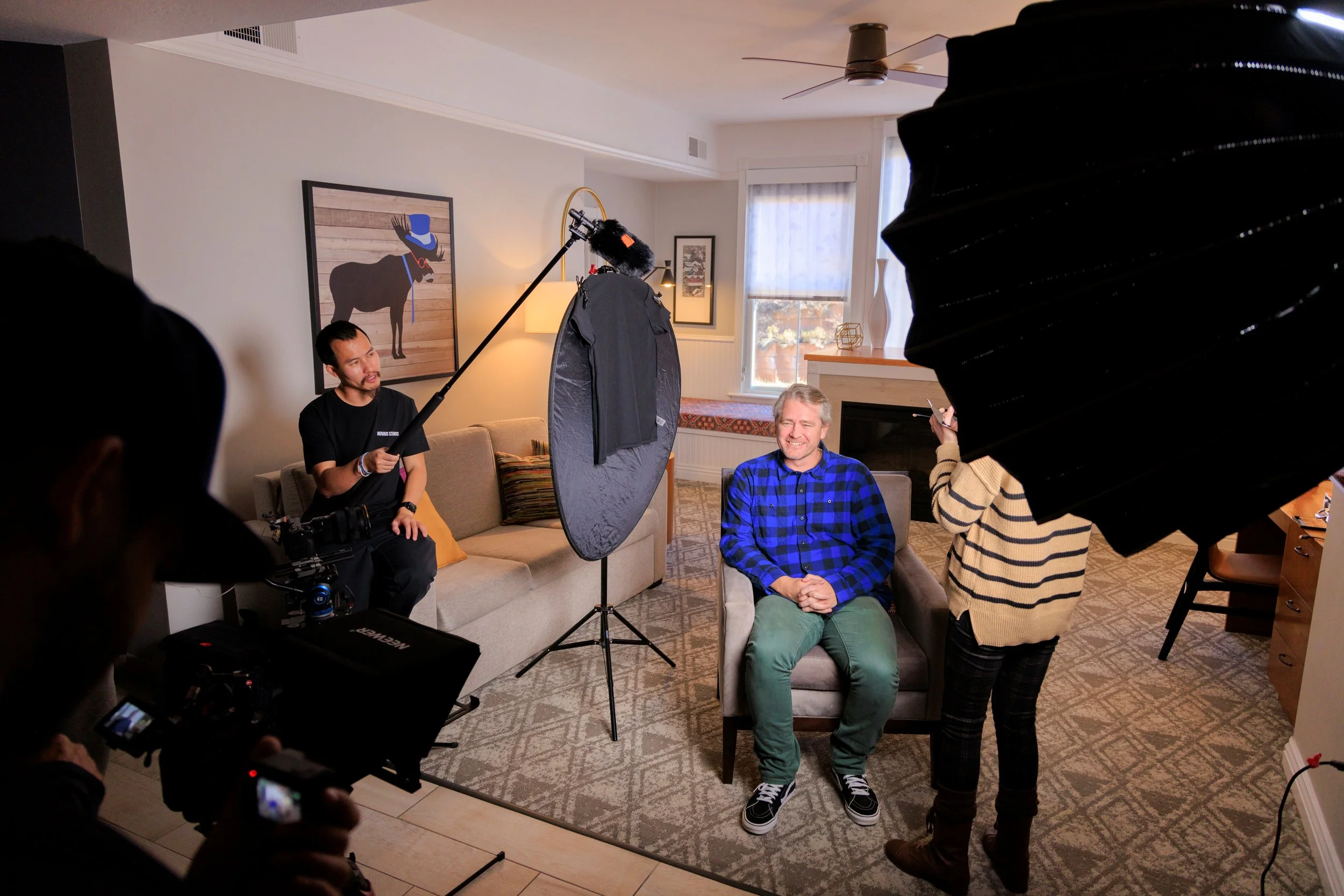
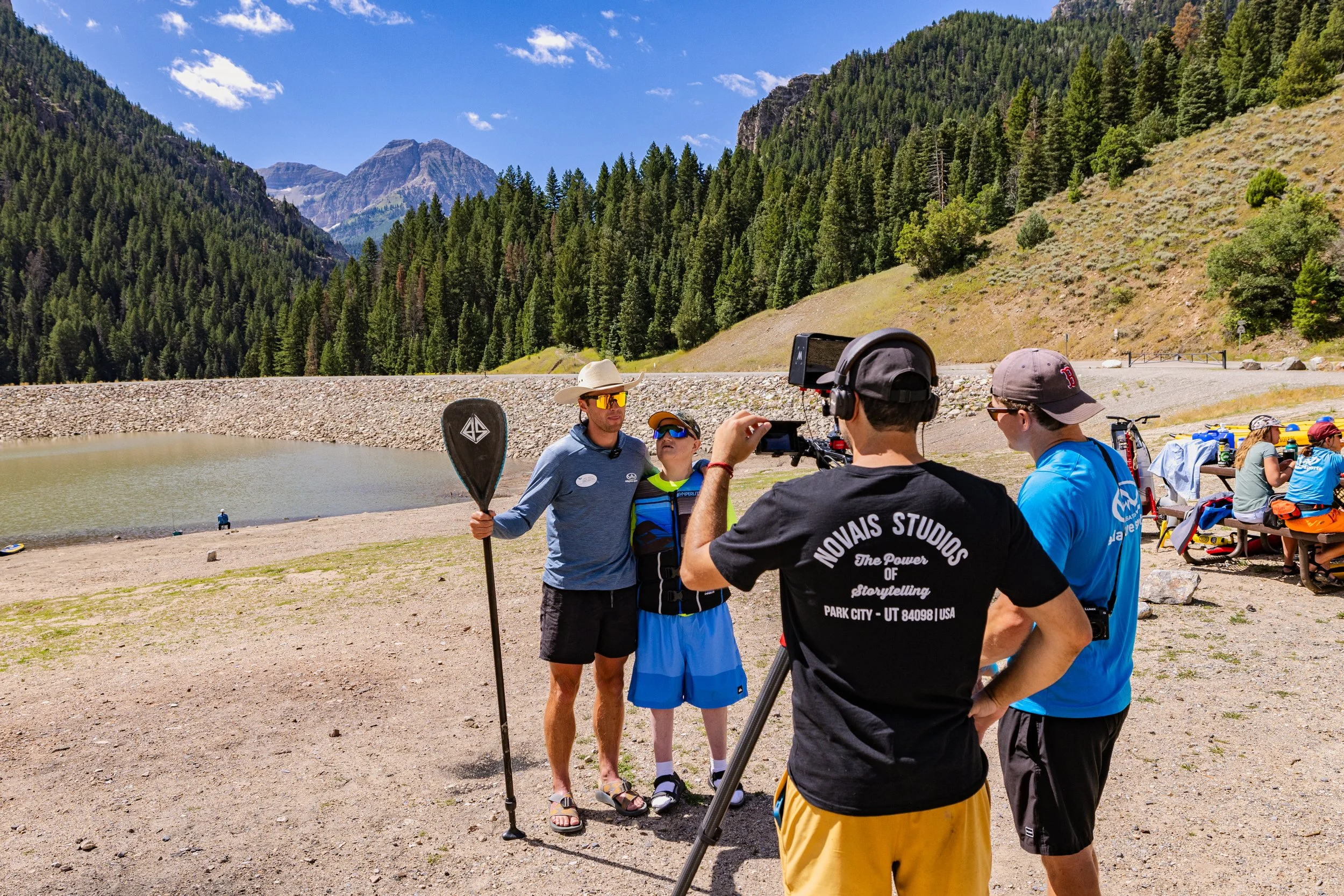
Behind the Scenes: How a Video Project Goes From Idea to Final Edit
When people think about video production, they usually picture the shoot day.
The cameras.
The lights.
The action.
But what most people do not see is everything that happens before and after filming.
For this post, we are walking through what a real video project looks like from start to finish — using our work with Anyline as an example.
Anyline is a company that builds mobile AI data capture technology.
Their software allows businesses to scan and extract information using a smartphone camera, replacing manual data entry with fast and accurate digital capture.
Here is what the process actually looked like behind the scenes.
Step 1: Defining the Goal
When we started working with Anyline, the first thing we needed to lock in was the goal of the video. Not just what it should look like, but what it needed to communicate.
Anyline’s product is built around speed, accuracy, and smart technology, so the video needed to feel clean, modern, and easy to follow.
This step is where we align on the message, the audience, and where the video will be used.
Step 2: Pre-Production and Planning
Before any filming happens, we go into planning mode. This is where we map out the structure of the video and plan the shots we know we’ll need.
For the Anyline project, this included deciding on locations, building a shot list, and making sure everything was organized so the shoot day would run smoothly.
Pre-production is not the flashy part, but it is what makes everything easier later on.
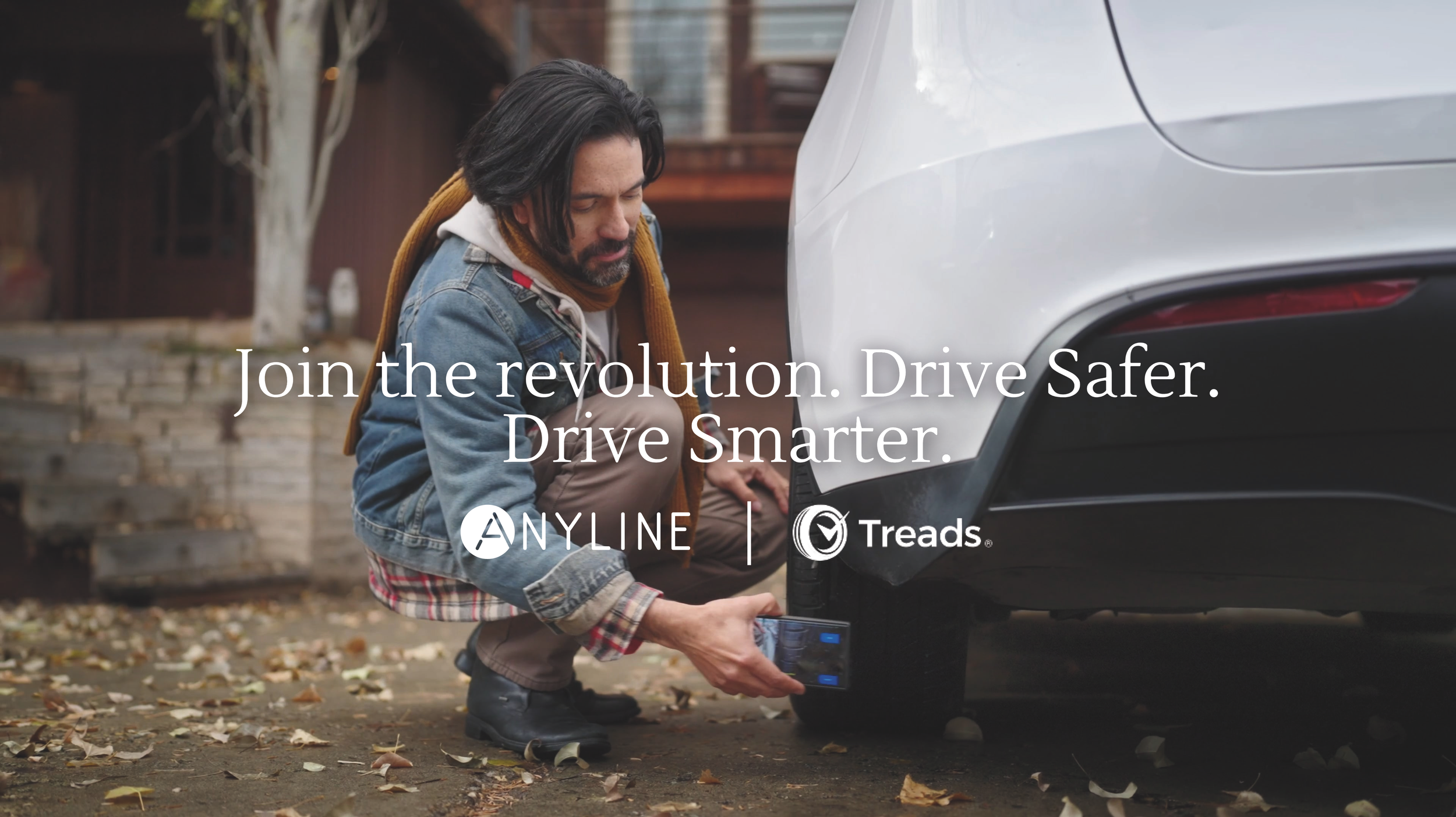
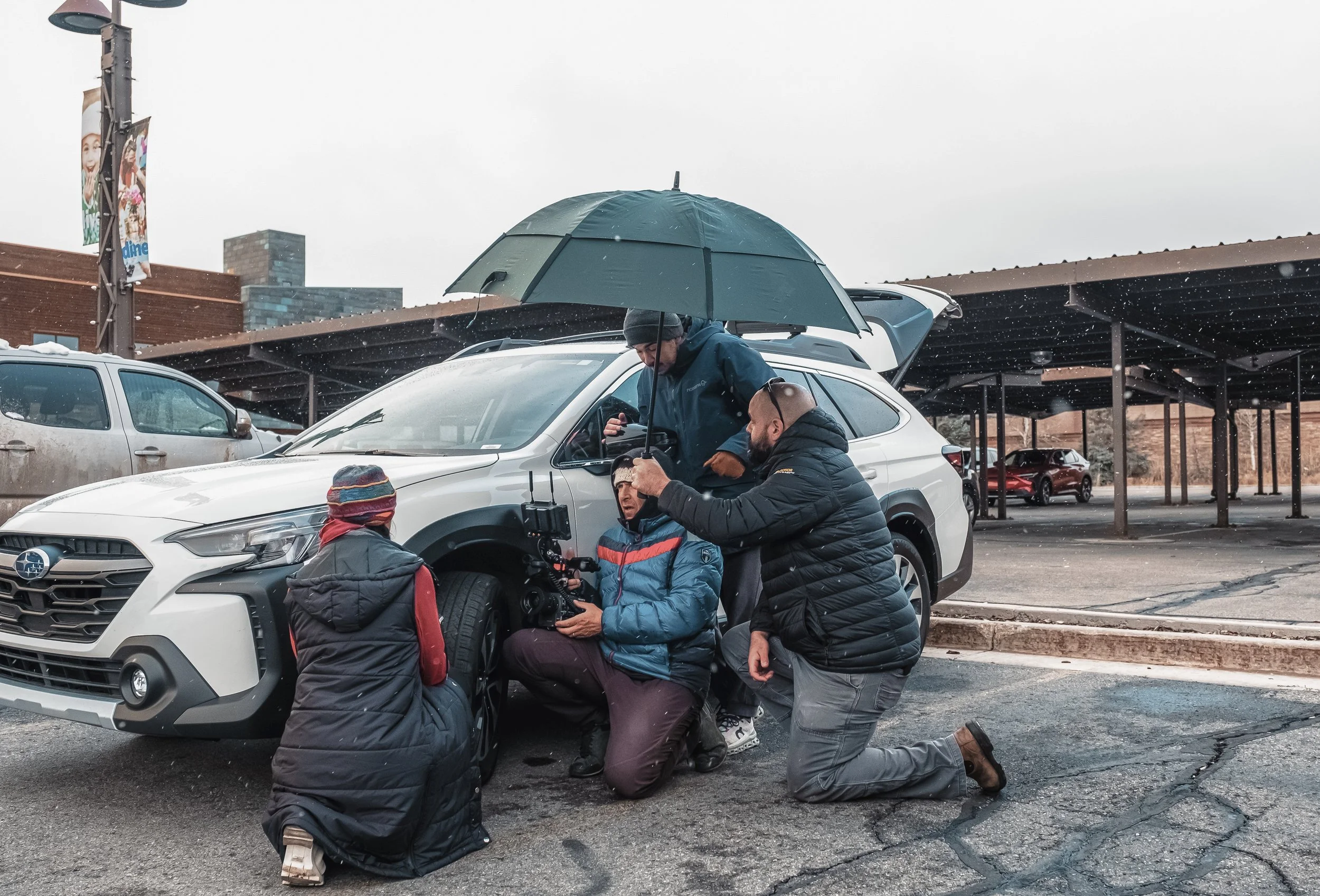
Step 3: Shoot Day
Shoot day is where everything starts to come together.
By this point, the planning is done, the structure is clear, and we know exactly what we are there to capture.
For the Anyline project, the focus was on creating visuals that felt clean, modern, and aligned with their technology-driven brand. We wanted everything to look sharp and intentional, not overly staged or forced.
On set, we focus on lighting, framing, movement, and making sure every shot supports the story we outlined earlier.
When preparation is done right, shoot day feels efficient and creative instead of chaotic.

Step 4: Capturing the Details
Beyond the main shots, we always make sure to capture supporting footage.
These are the smaller moments that help transitions feel smooth and make the final edit feel complete.
For Anyline, that meant capturing detail shots of the product in use, natural working moments, screen interactions, and environmental visuals that support the story.
These shots might seem minor on their own, but in the edit they make a huge difference. They help the video feel polished instead of pieced together.

Step 5: Editing and Story Building
This is where the project truly takes shape.
Once filming wraps, everything moves into post-production. We review all the footage, select the strongest moments, and start building the structure of the video.
For the Anyline project, editing focused on pacing and clarity. Since their product is technology-based, the video needed to feel smooth, clean, and easy to understand.
This stage includes:
Selecting the best takes
Structuring the narrative
Adding music and sound design
Color correction and grading
Adding text, graphics, and brand elements
Editing is often the longest part of the process, but it is also where the story becomes real.

Step 6: Revisions and Refinement
Once the first version is ready, we send it over for feedback.
This is a collaborative step where we fine-tune the video to make sure it fully reflects the brand and message.
With Anyline, revisions focused on small adjustments like pacing, clarity, and tightening certain sections to keep the energy strong.
The goal at this stage is not to redo everything. It is to refine what is already working and polish it to a final standard.
Step 7: Final Delivery
After revisions are complete and everything is approved, we prepare the final exports.
For a project like Anyline, that may include different formats for web, social media, or internal use.
Final delivery is about more than just sending a file. It is about making sure the content is ready to perform wherever it is published.
Why the Process Matters
A strong video is not just about filming something that looks good.
It is about planning, collaboration, execution, and refinement.
The Anyline project is a great example of how much goes into creating a polished final result from start to finish.
If you are thinking about creating a video for your company, we would love to help bring your story to life.